Just 30 kilometres from the bustling medina of Marrakech lies a landscape so primordial it seems to exist outside of time itself. The Agafay Desert holds millennia of geology, Berber tradition, and caravan history within its pale, sun-bleached ridges.
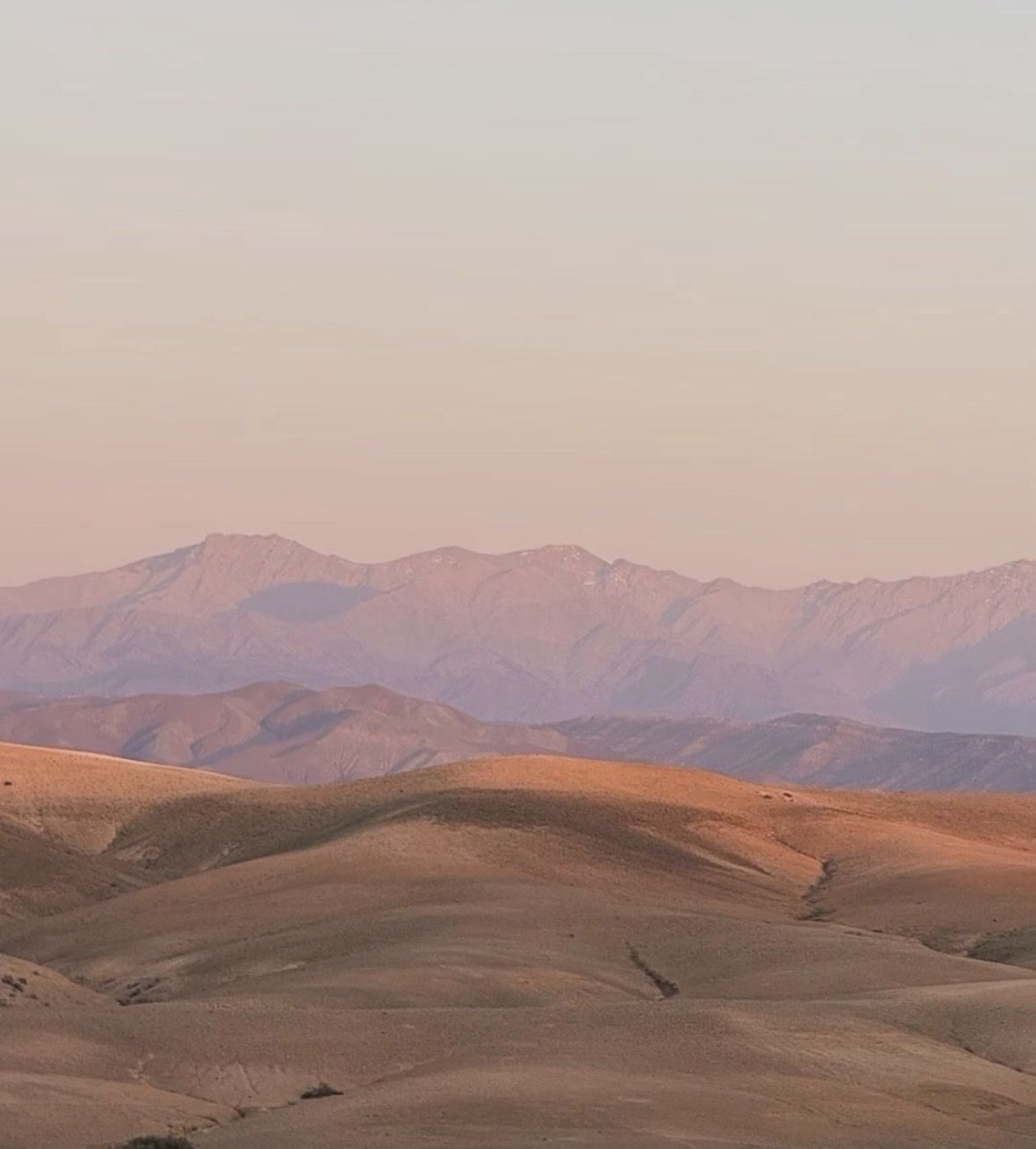
The Agafay Desert is not a sand desert in the conventional sense — it is a vast, arid rocky plateau formed over millions of years through the gradual erosion of limestone and clay sediments. Geologists trace the region's distinctive moon-like terrain to the Jurassic and Cretaceous periods, when the area was part of an ancient seabed that gradually uplifted as tectonic forces built the Atlas Mountains to the east. As water receded and wind took over as the dominant sculpting force, the plateau was stripped bare, leaving behind the dramatic undulating ridges and pale dust-coloured hills that define the landscape visitors encounter today.
The Agafay plateau sits at an elevation of roughly 600 to 700 metres above sea level, nestled between the foothills of the High Atlas Mountains and the fertile Haouz Plain that cradles Marrakech. This semi-arid environment, receiving fewer than 250 millimetres of rainfall annually, created conditions hostile to large-scale agriculture but perfectly suited to nomadic pastoralism. For thousands of years, Amazigh — or Berber — communities moved across this terrain with their goats and sheep, reading the landscape's subtle signs for water and shelter. These earliest inhabitants left their mark not in monuments but in oral traditions, place names, and a deep cultural intimacy with the land.
The indigenous Amazigh people have inhabited the greater Marrakech region and its surrounding plateaus for at least 3,000 years, and the Agafay area formed a crucial corridor in their seasonal migration patterns. The rocky plateau's sparse but hardy vegetation — esparto grass, argan trees, and drought-resistant shrubs — supported transhumant herding communities who moved between the High Atlas pastures in summer and the lower, warmer plateaus in winter. This centuries-old rhythm of movement shaped a distinct pastoral culture whose descendants still live in the scattered douars, or villages, that dot the edges of the Agafay region today.
During the medieval period, the Agafay plateau gained strategic importance as trans-Saharan caravan routes converged near Marrakech. Founded in 1062 by the Almoravid dynasty, Marrakech became one of the most powerful trading cities in the medieval Islamic world, and the routes leading to and from it passed through or near the Agafay corridor. Merchants carrying gold, salt, ivory, and enslaved people from sub-Saharan Africa would rest near the plateau's edges before entering the city. This flow of commerce brought cultural exchange, Islamic scholarship, and architectural innovation to the region, leaving an indelible mark on the communities living in Agafay's shadow.
The Agafay region also sits within the cultural sphere of the Rehamna and Haouz tribal confederations, Berber groups whose customary land-use agreements governed access to water sources and grazing rights for centuries. Traditional wells and seasonal khettara — underground irrigation channels first engineered during the Almoravid period — were lifelines in this dry landscape, and their construction and maintenance represented sophisticated communal engineering. Remnants of these ancient water management systems can still be identified across the plateau, silent evidence of a society that had developed ingenious solutions to desert survival long before the modern world arrived.
For most of the twentieth century, the Agafay Desert remained largely off the radar of international tourism, which was concentrated in Marrakech's historic medina, souks, and palace gardens. The plateau was known primarily to Moroccan families as a rugged day-trip destination — a place to picnic amid dramatic scenery — and to adventurous travellers seeking something rawer than the polished tourism infrastructure of the city. It wasn't until the early 2000s, as boutique travel culture began reshaping global tourism expectations, that visionary Moroccan entrepreneurs and foreign investors began to see Agafay's immense potential as a luxury wilderness destination.
The opening of the first permanent luxury desert camps in the mid-2000s marked a turning point for Agafay's identity. These properties — featuring canvas tented suites, infinity pools seemingly floating above the dusty plateau, and fire-lit dining under an unpolluted night sky — offered travellers the romance of a Saharan desert experience without the gruelling journey to Merzouga or Zagora in Morocco's deep south. The concept proved enormously successful, and through the 2010s a wave of high-design glamping resorts, boutique lodges, and eco-retreats established themselves across the plateau, each competing to offer ever more immersive encounters with the landscape.
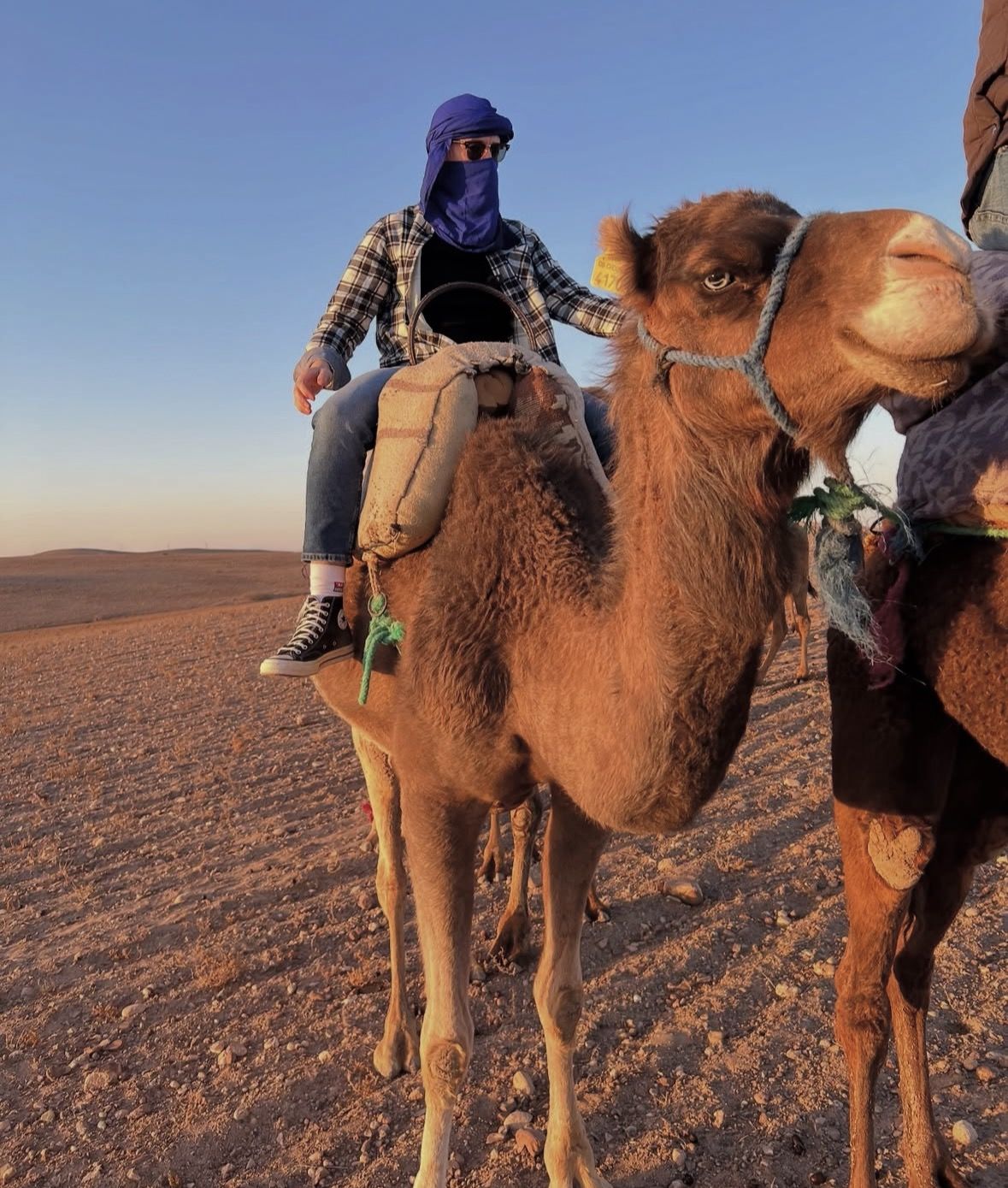
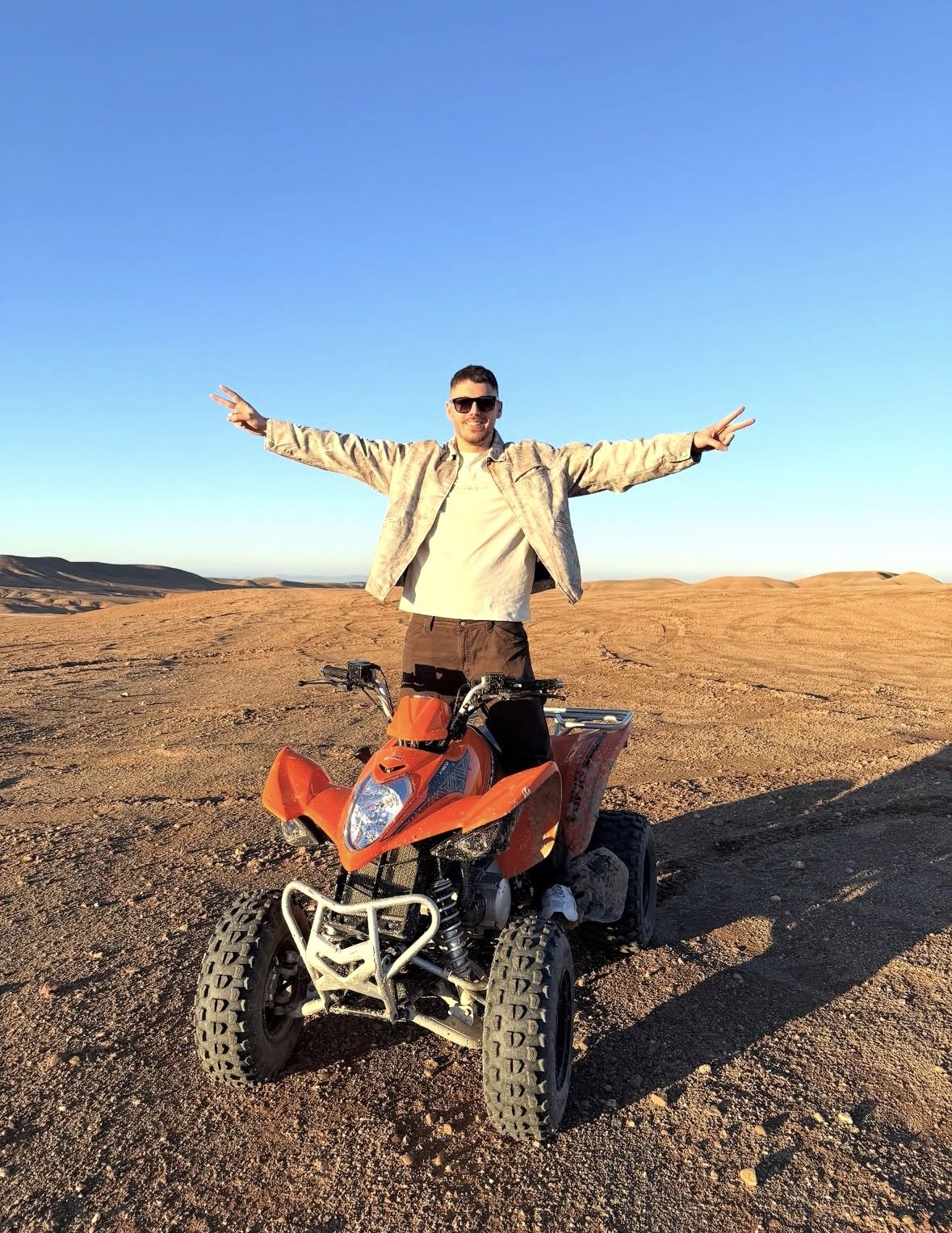
By the late 2010s, Agafay had become a fixture in international travel media, appearing regularly in publications such as Condé Nast Traveller, Vogue, and National Geographic as one of Morocco's most compelling emerging destinations. The rise of experiential travel and social media accelerated this recognition dramatically, with the desert's photogenic combination of ochre ridges, nomadic-inspired architecture, and Atlas Mountain backdrops making it one of the most-shared Moroccan landscapes on Instagram. Adventure activities including quad biking, camel trekking, horse riding, and hot-air ballooning were layered on top of the existing accommodation offer, broadening Agafay's appeal to a diverse global audience.
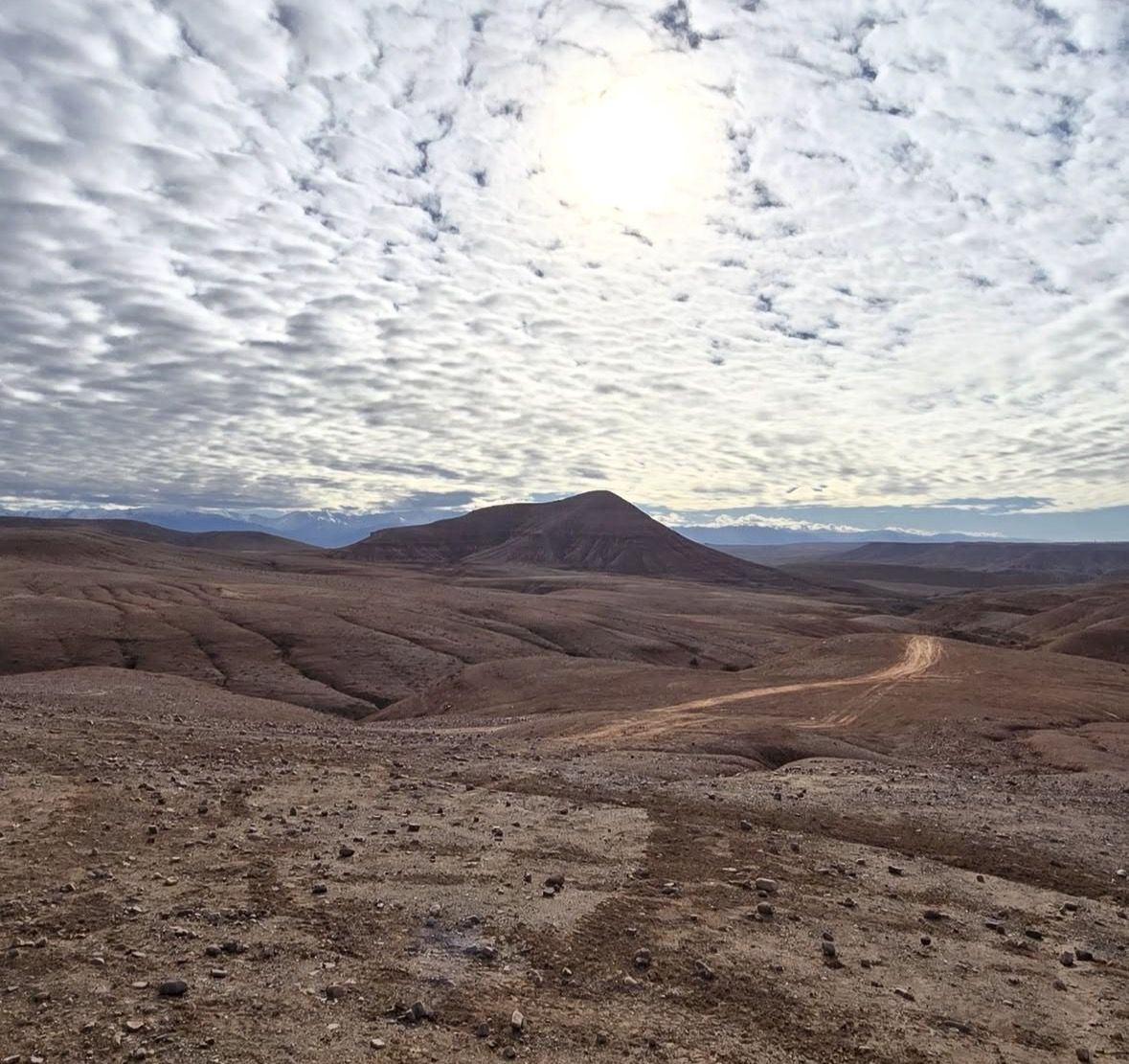
Today, the Agafay Desert operates as one of Morocco's most dynamic tourism zones, attracting hundreds of thousands of visitors annually who come to experience its unique blend of geological drama, Berber cultural heritage, and world-class hospitality. The plateau now hosts a remarkable range of experiences across a single landscape: sunrise camel rides, quad bike excursions across ancient riverbeds, traditional Moroccan feasts prepared in open-air desert kitchens, and stargazing sessions that take advantage of the near-total absence of light pollution. Local Berber guides remain central to the visitor experience, sharing knowledge of the terrain, its plants, and the ancestral stories embedded within the landscape.
Yet despite its growing fame and infrastructure, the Agafay Desert retains a quality of profound stillness that sets it apart from more heavily commercialised destinations. Responsible operators are increasingly adopting sustainable practices — solar energy, rainwater harvesting, and partnerships with local Amazigh communities — that honour the land's heritage while preserving it for future generations. Whether you come for a sunset dinner beneath the stars, a multi-day glamping retreat, or simply a half-day escape from Marrakech's sensory intensity, the Agafay Desert rewards every visitor with an encounter that feels genuinely ancient, deeply Moroccan, and utterly unforgettable. This is a landscape that has been shaped by millions of years of geology and thousands of years of human story — and it is waiting to add yours.
Ready to Experience It Yourself?
From sunset camel rides to overnight glamping under a sky blazing with stars, Agafay Desert offers experiences that stay with you long after the journey home. Browse our hand-picked selection of expert-led tours, curated for every budget and travel style, and secure your adventure with flexible booking. Your desert story starts here — don't let it wait.
Book Your Tour Now